

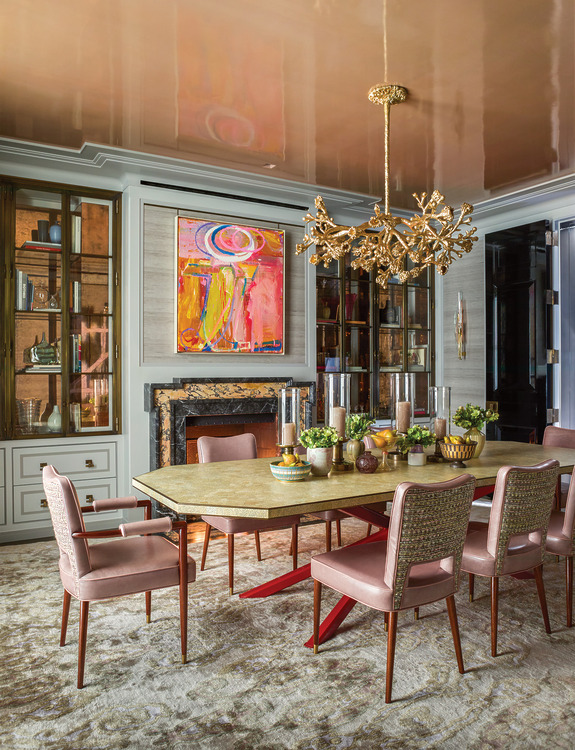
Interior design is an art that allows us to visually express our inner world. A home is like a blank canvas where every color, piece of furniture, and decor becomes a part of our imagination.
Although creativity plays the main role during apartment renovation, the color palette is of particular importance. Colors directly affect our mood, energy, and productivity. Before you start renovating and calculating costs (in which Datvale.ge can help you), it is important to know what the psychology of colors teaches us.
Gemini said
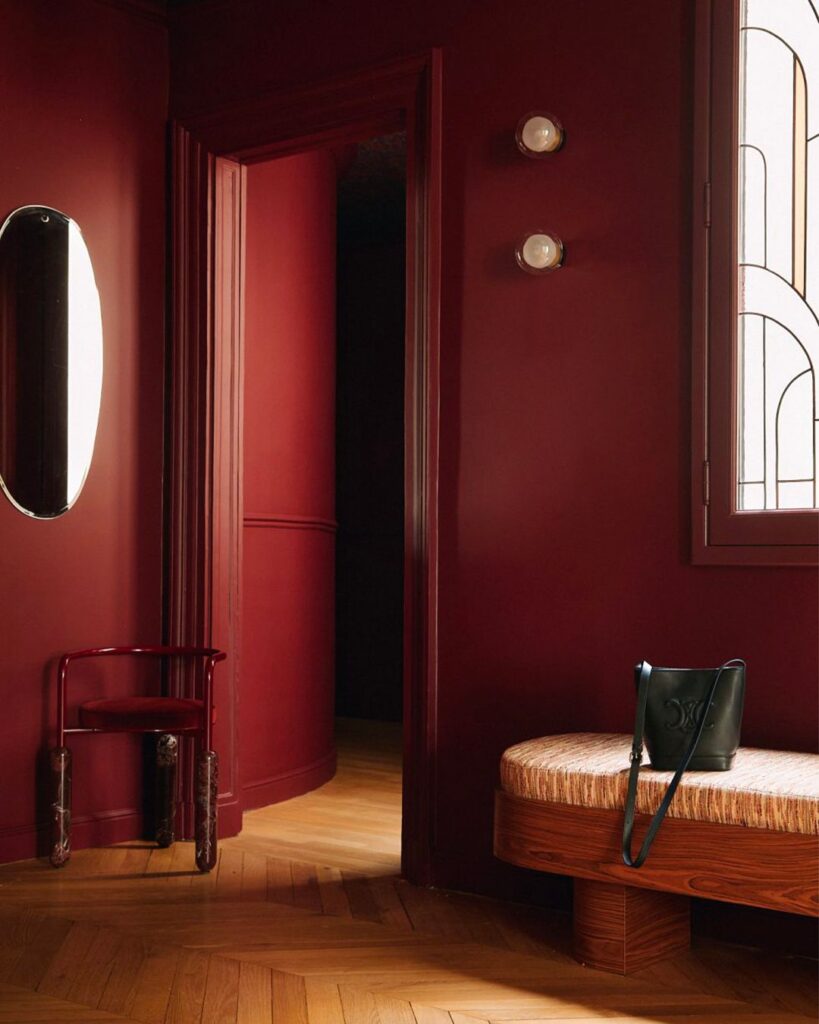
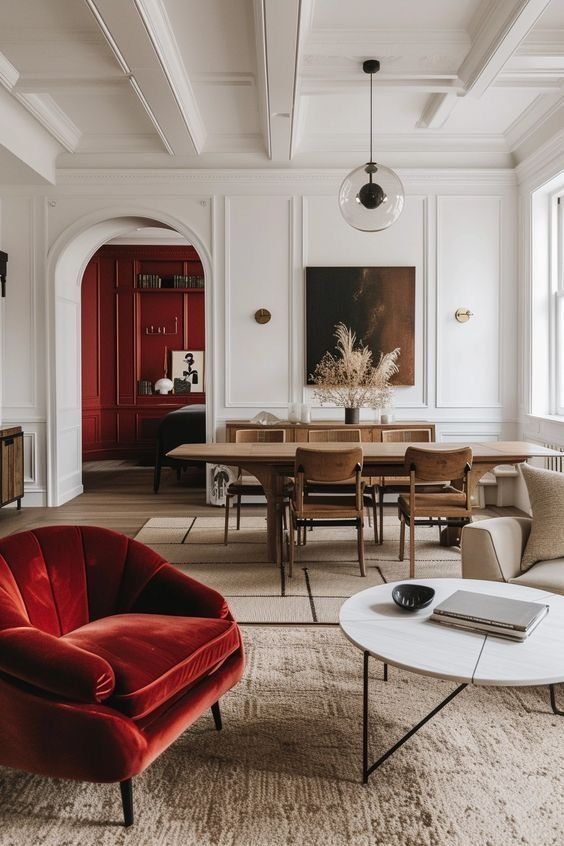
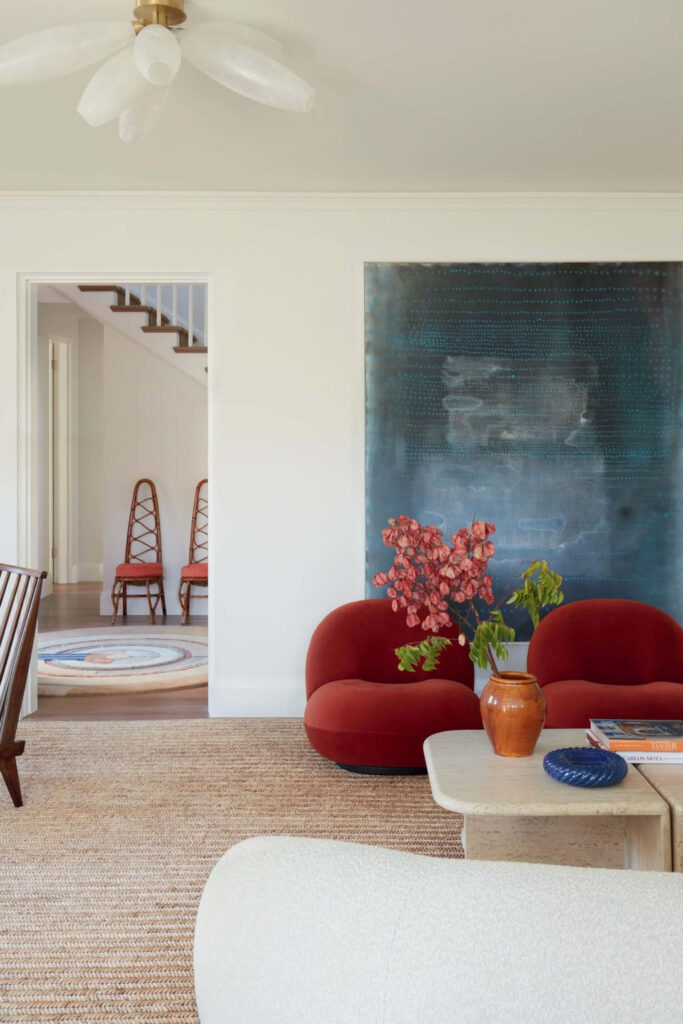
Red is the most powerful and emotional color. It can simultaneously evoke passion, energy, and feelings of love, but also aggression and tension. In interior design, red is often used in bedrooms because it creates an atmosphere of love and desire. However, if used excessively, it can become overwhelming.
Pro-tip: Because red is such an intense color, it is best to balance it with neutral tones like white, beige, or gray to keep the space from feeling claustrophobic.
Brown is associated with nature and gives us a feeling of warmth, stability, and tranquility. However, its excessive use can lead to feelings of melancholy and sadness.
Associated emotions: Reliability, firmness, comfort.ი
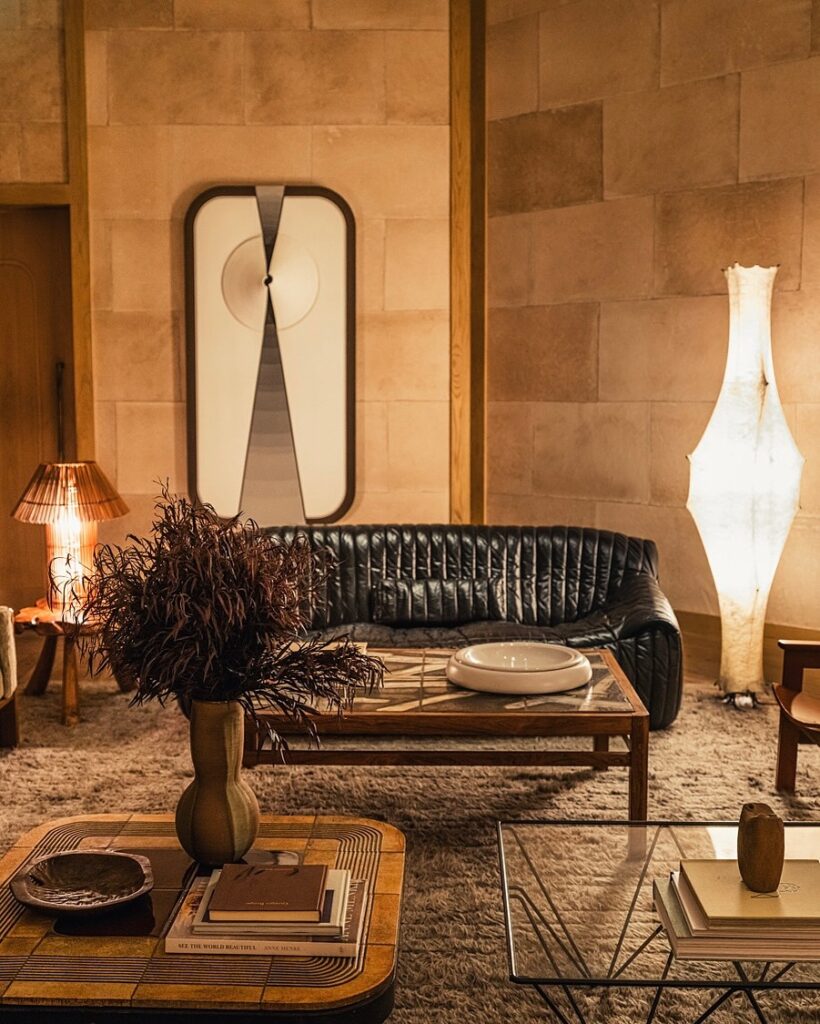
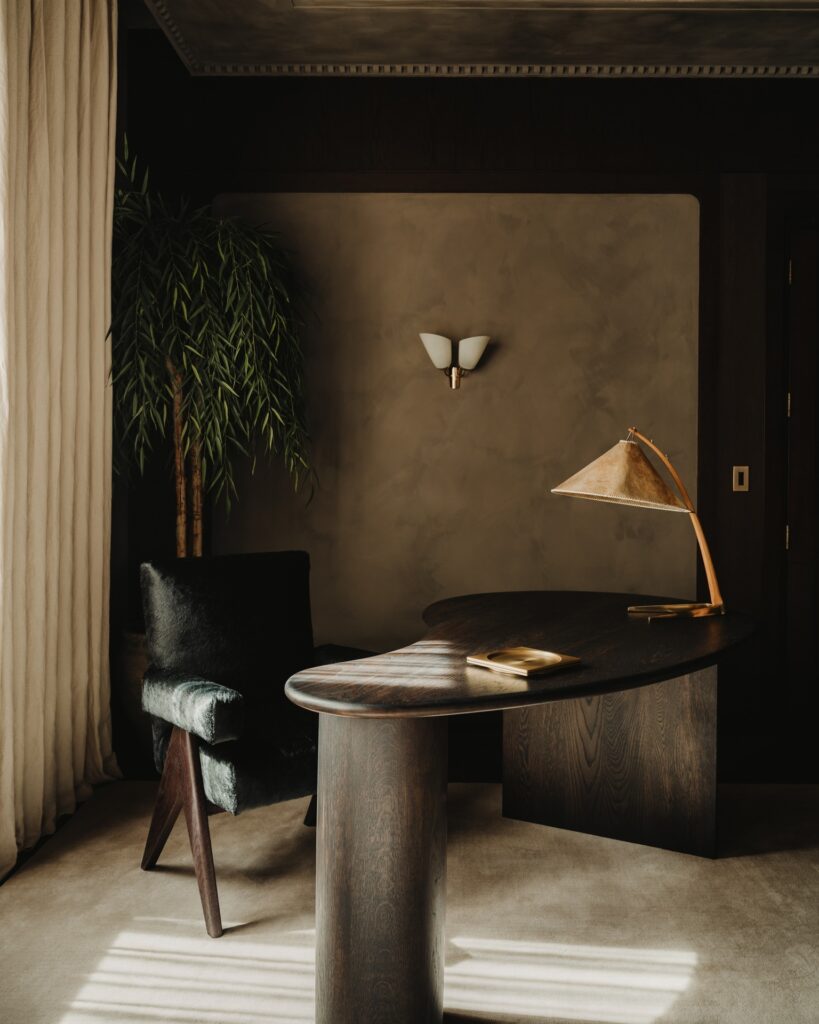
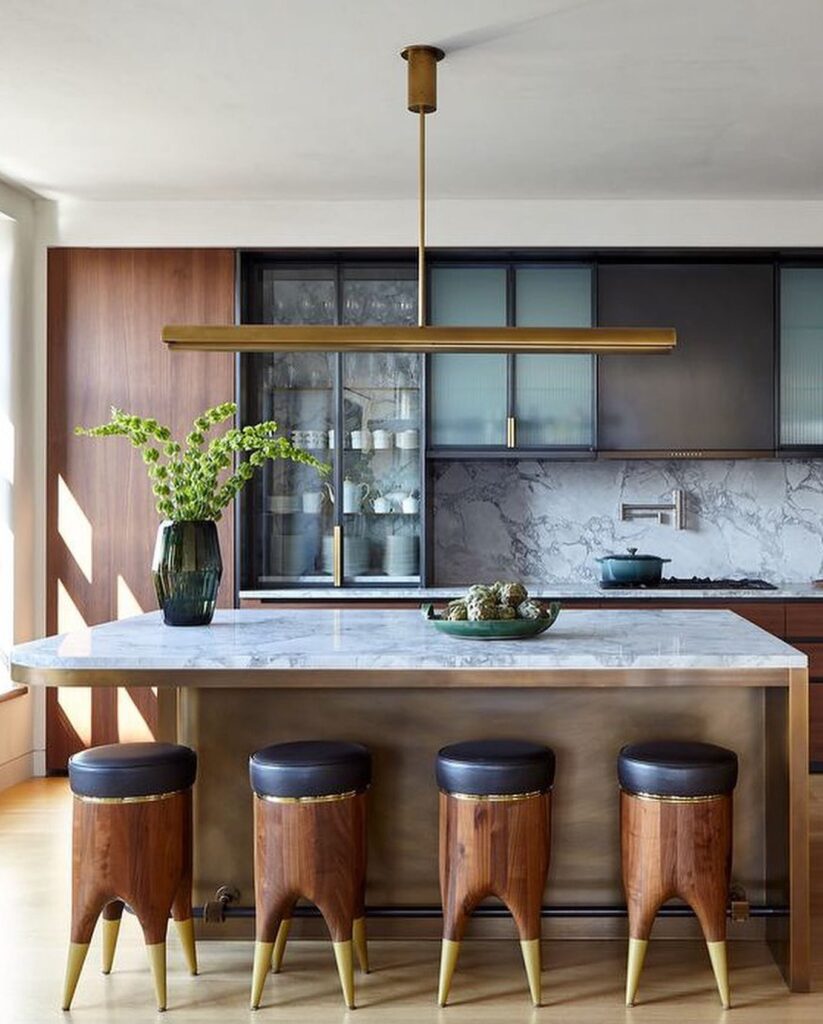
Orange is associated with the sun, warmth, and optimism. It creates a cheerful atmosphere, inspires activity, and increases sociability.
Where to use it:
Associated emotions: Happiness, enthusiasm, vigor, positivity.
Would you like me to continue with other colors, such as blue, green, or yellow?
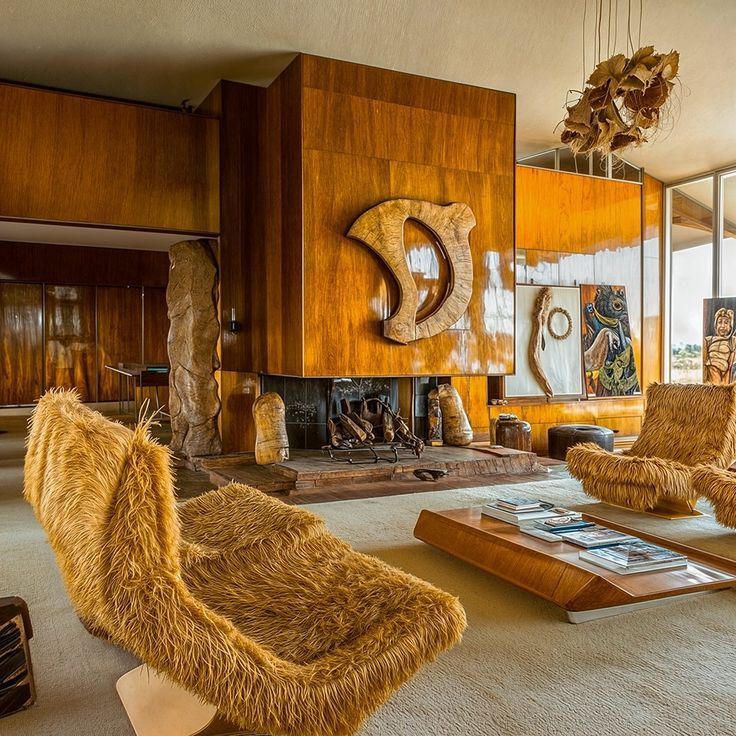
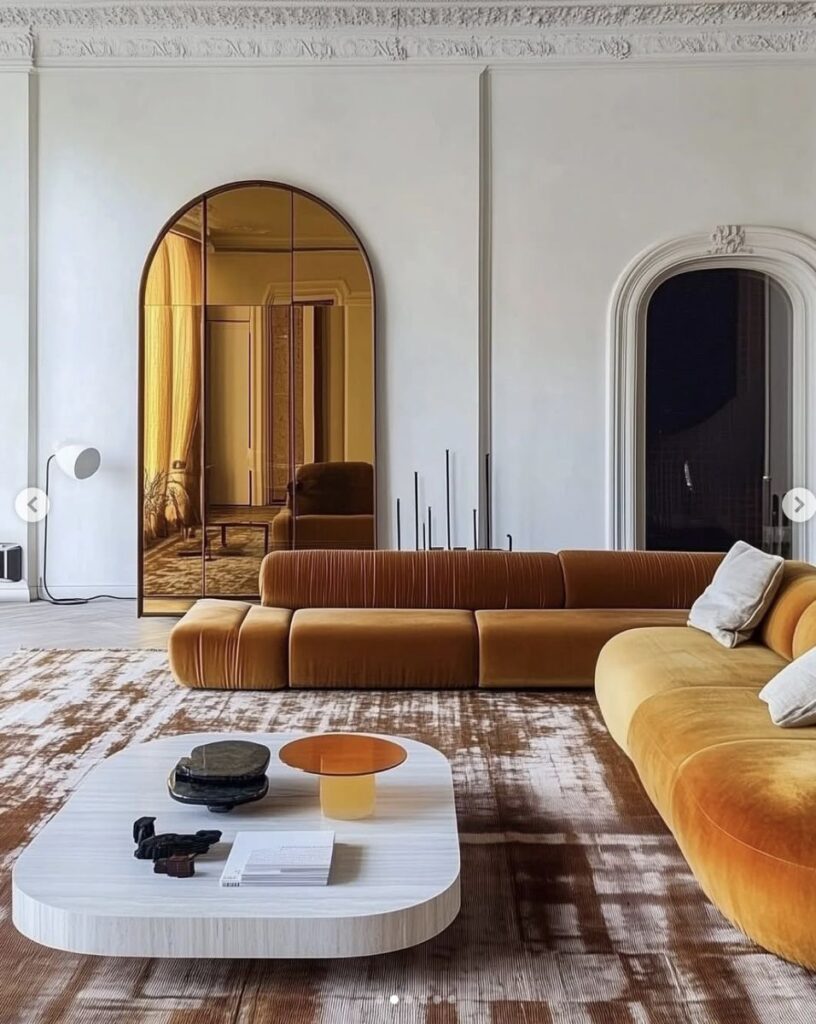
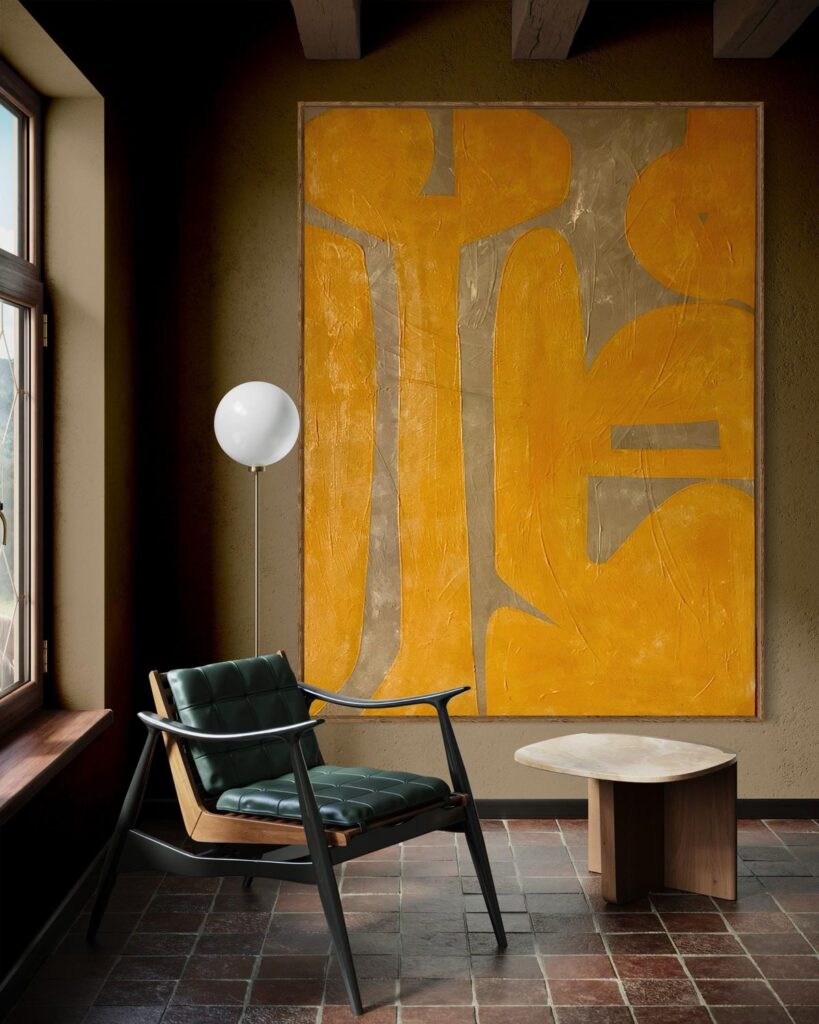
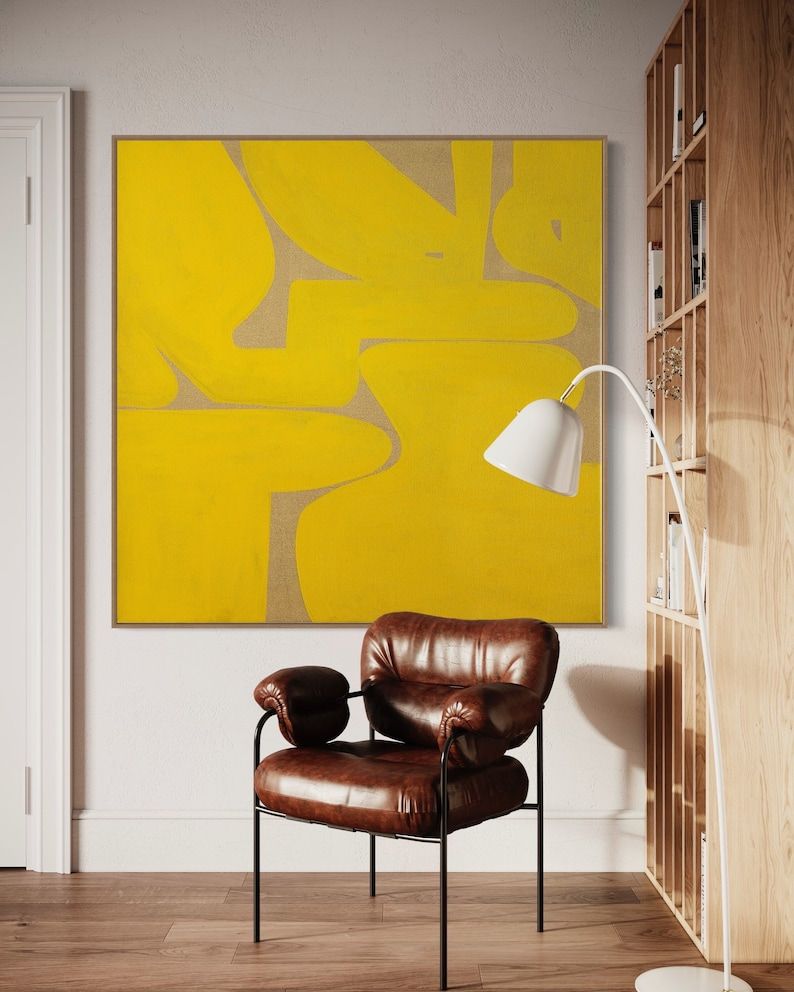
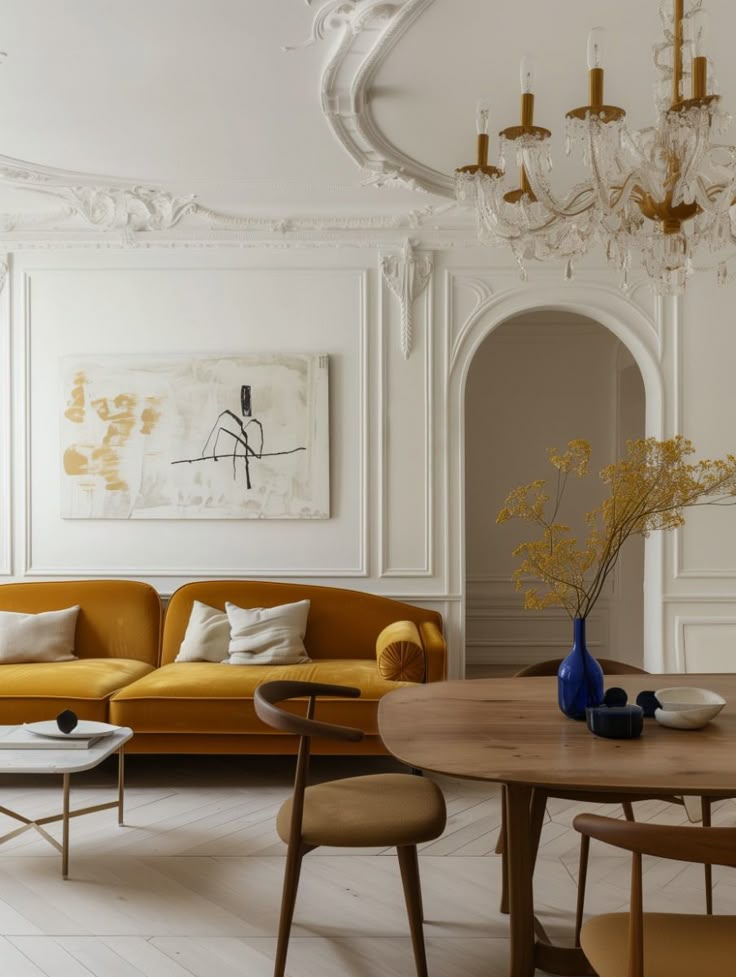
Yellow is the color of sunlight and automatically uplifts the mood. It is associated with joy, intellect, and prosperity.
Where to use it:
Associated emotions: Joy, optimism, productivity; however, when used in excess, it can cause agitation and tension.
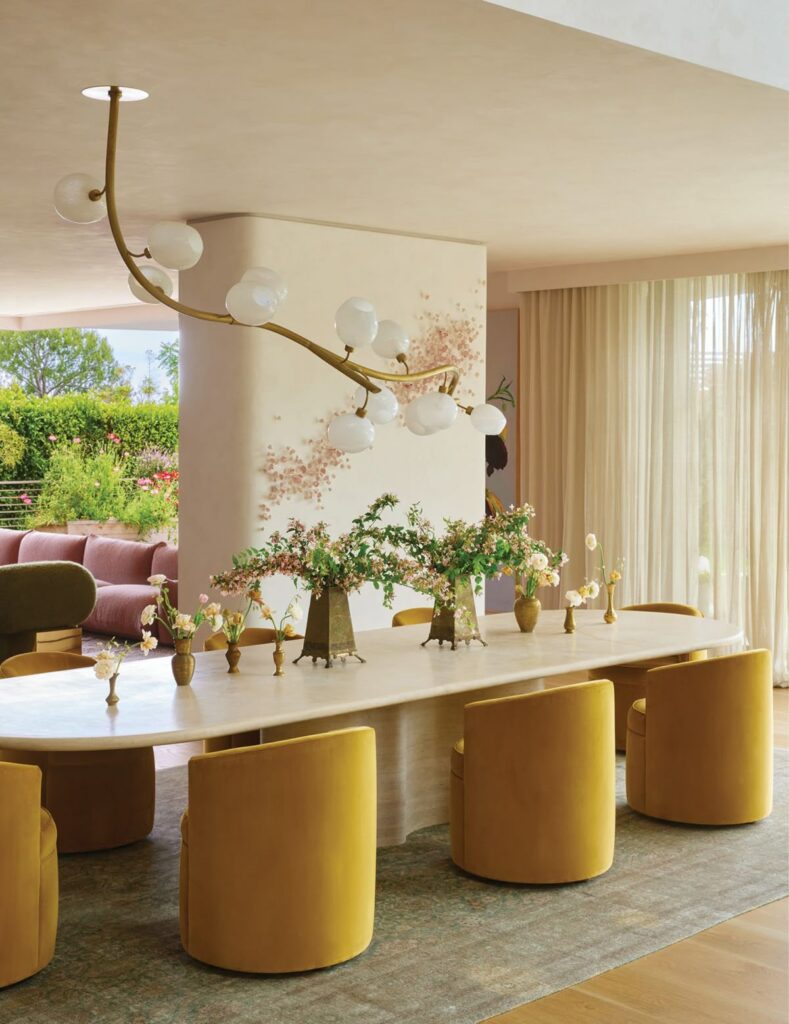
Green is the color of nature, balance, and harmony. It has a calming effect on the human eye and helps reduce stress, making it an ideal choice for creating a peaceful living space.
Where to use it:
Associated emotions: Tranquility, renewal, balance, and safety.
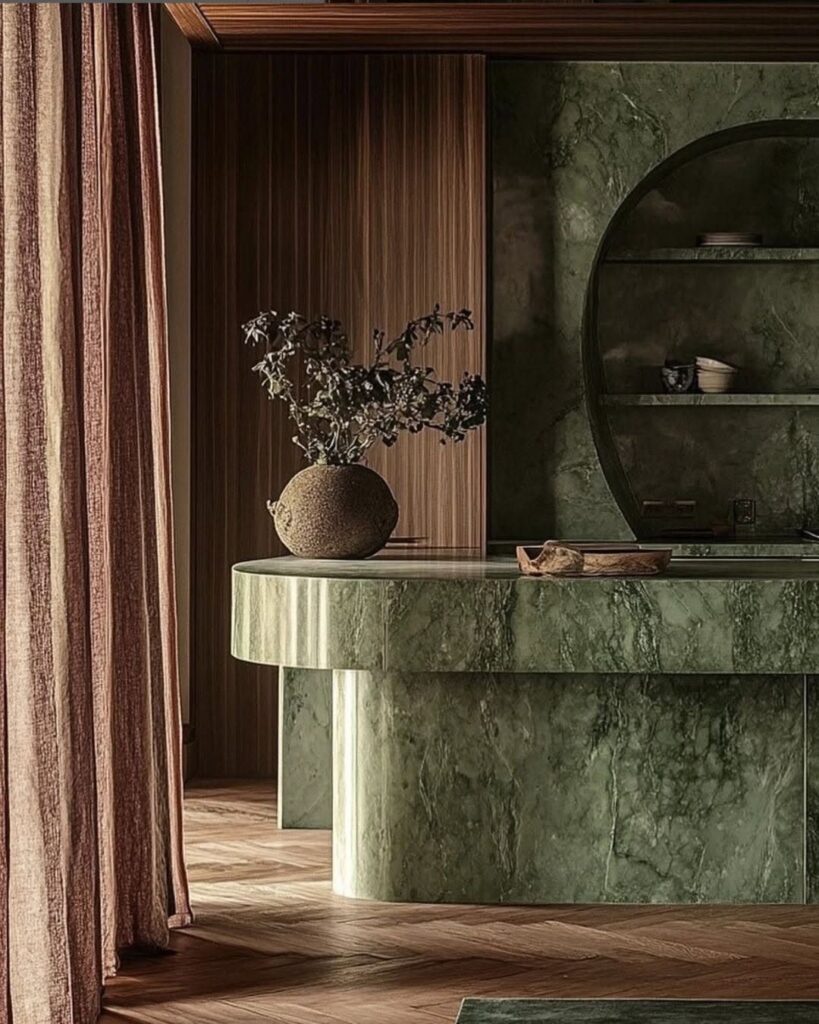
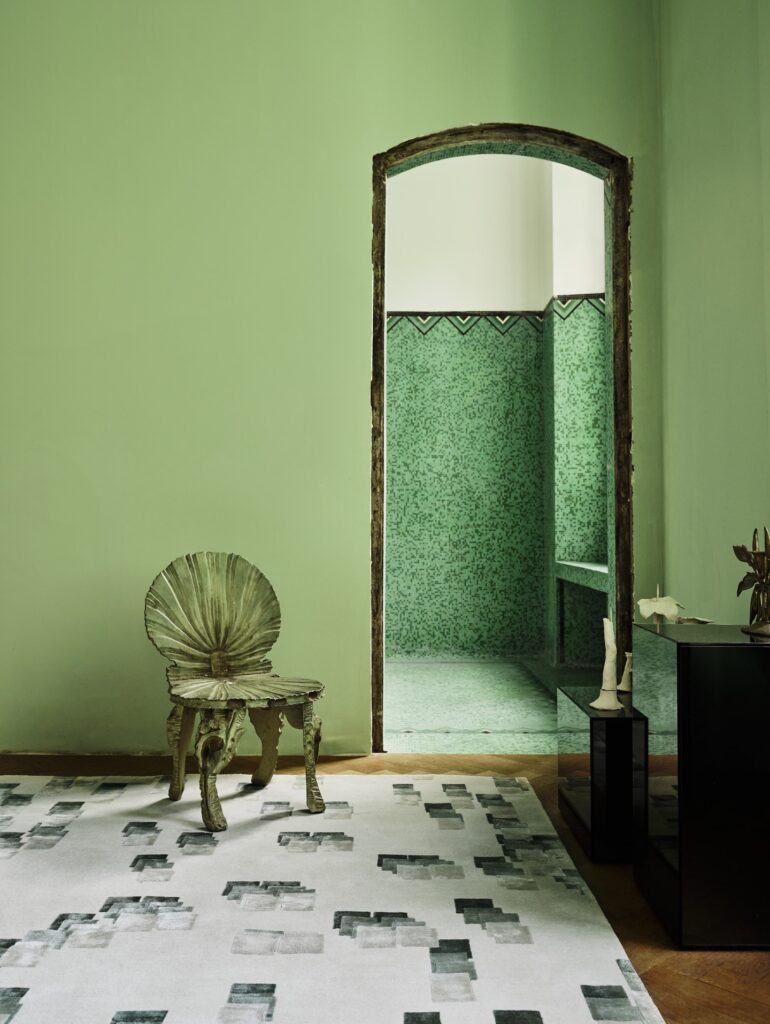
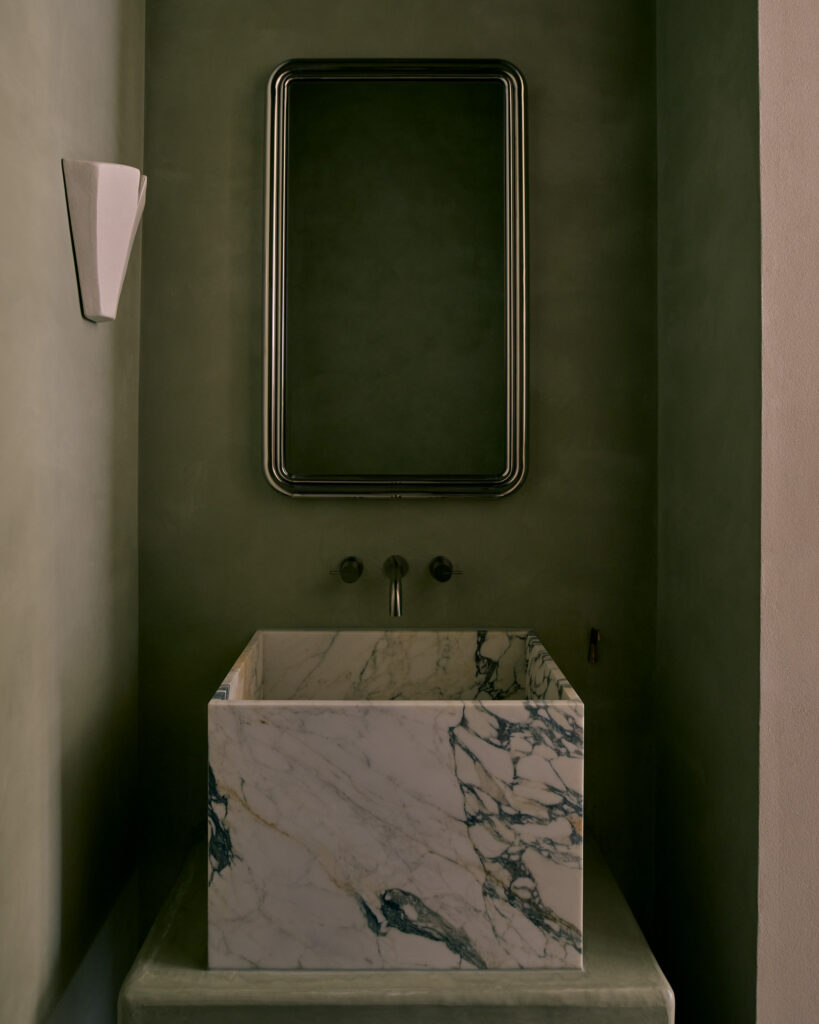
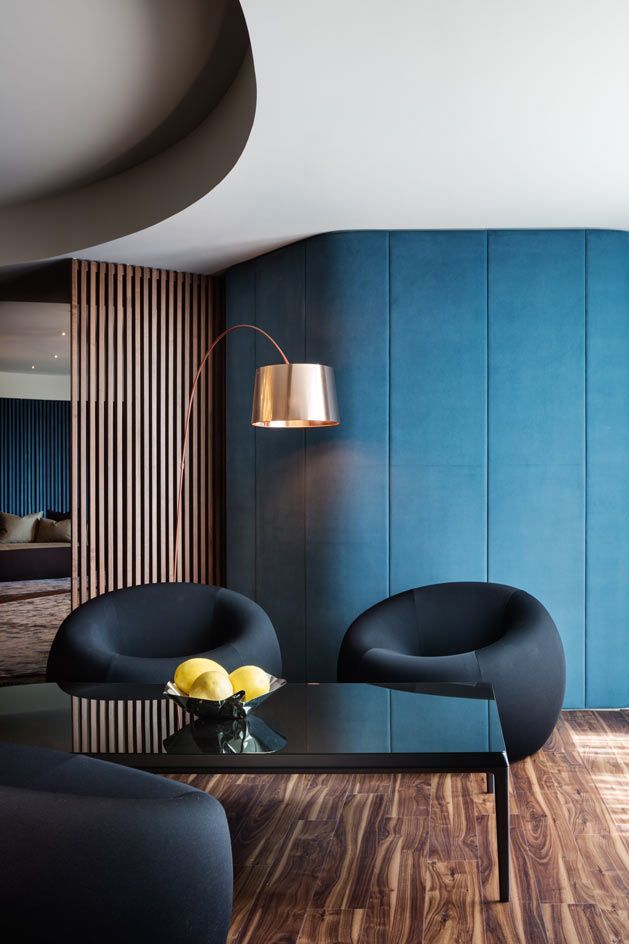
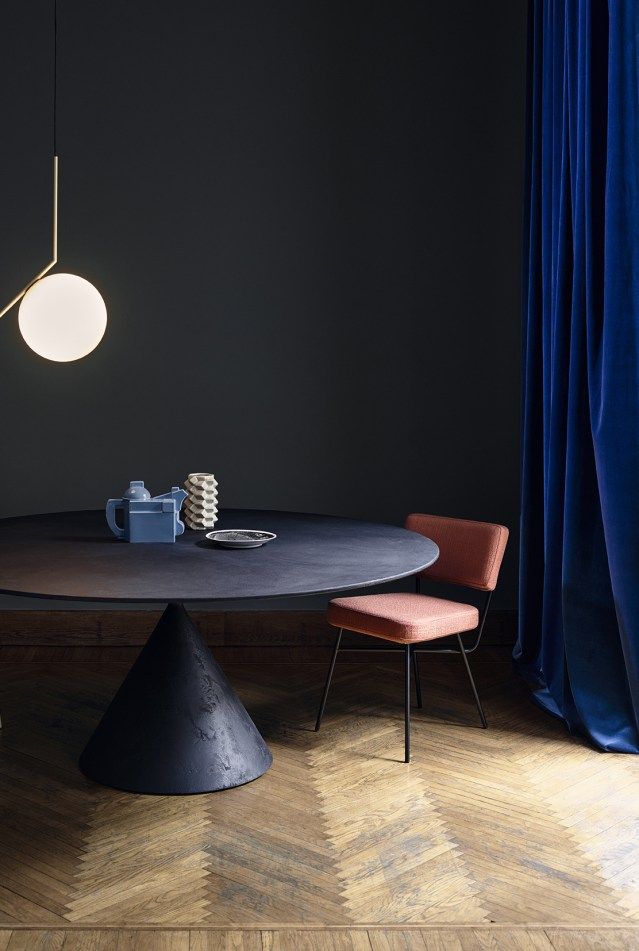
Blue is one of the most soothing colors. It calms the mind, reduces stress, and lowers hypertension. Light blue is beneficial for bedrooms, while dark blue is a symbol of elegance and luxury.
Where to use it:
Associated emotions: Calmness, wisdom, trust, loyalty, elegance.
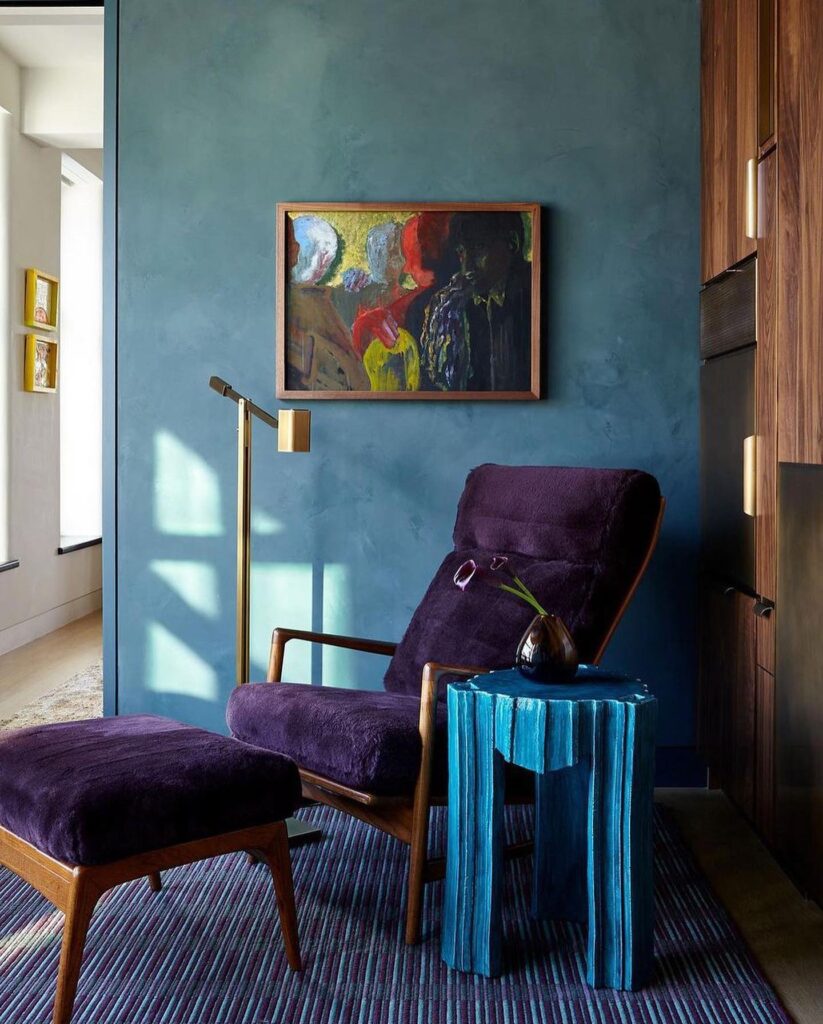
Purple is associated with luxury, mystery, and creativity. It is ideal for those who want to add “drama” and sophistication to their interior.
Where to use it:
Associated emotions: Luxury, creativity, wealth, drama.
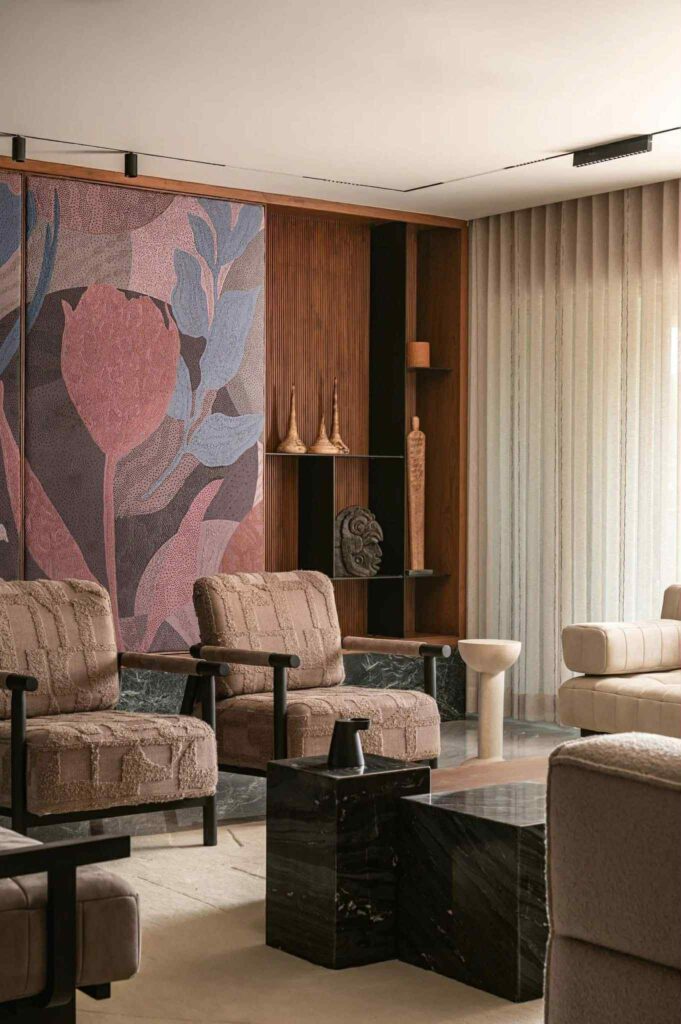
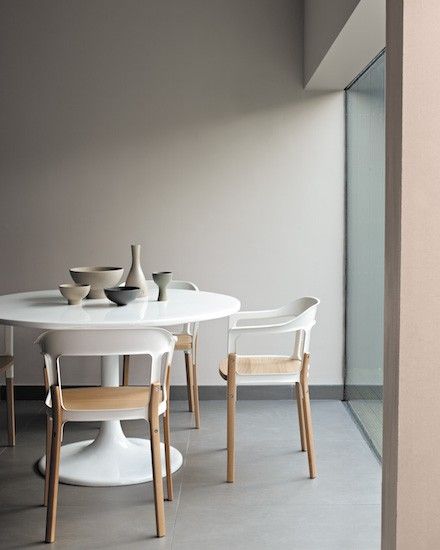
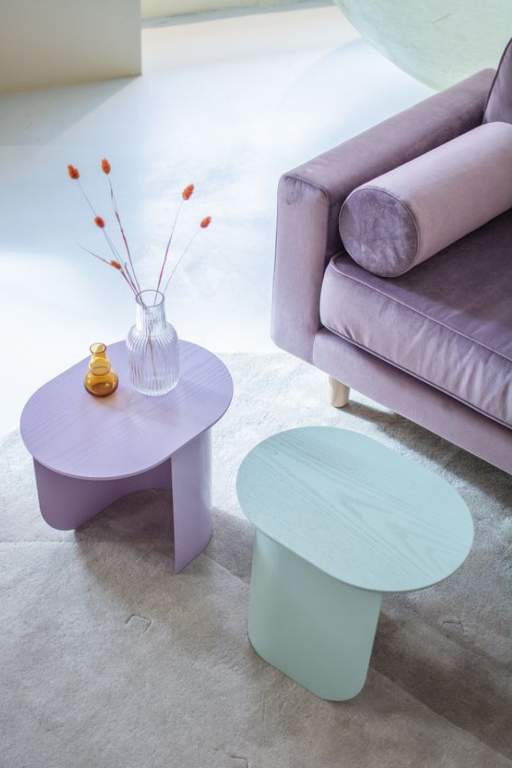
Pink is the color of love, warmth, and compassion. It creates a warm and harmonious atmosphere. Although it is often considered a “feminine” color, when used correctly, it can be quite neutral and elegant.
Where to use it:
Associated emotions: Love, compassion, warmth, romance.
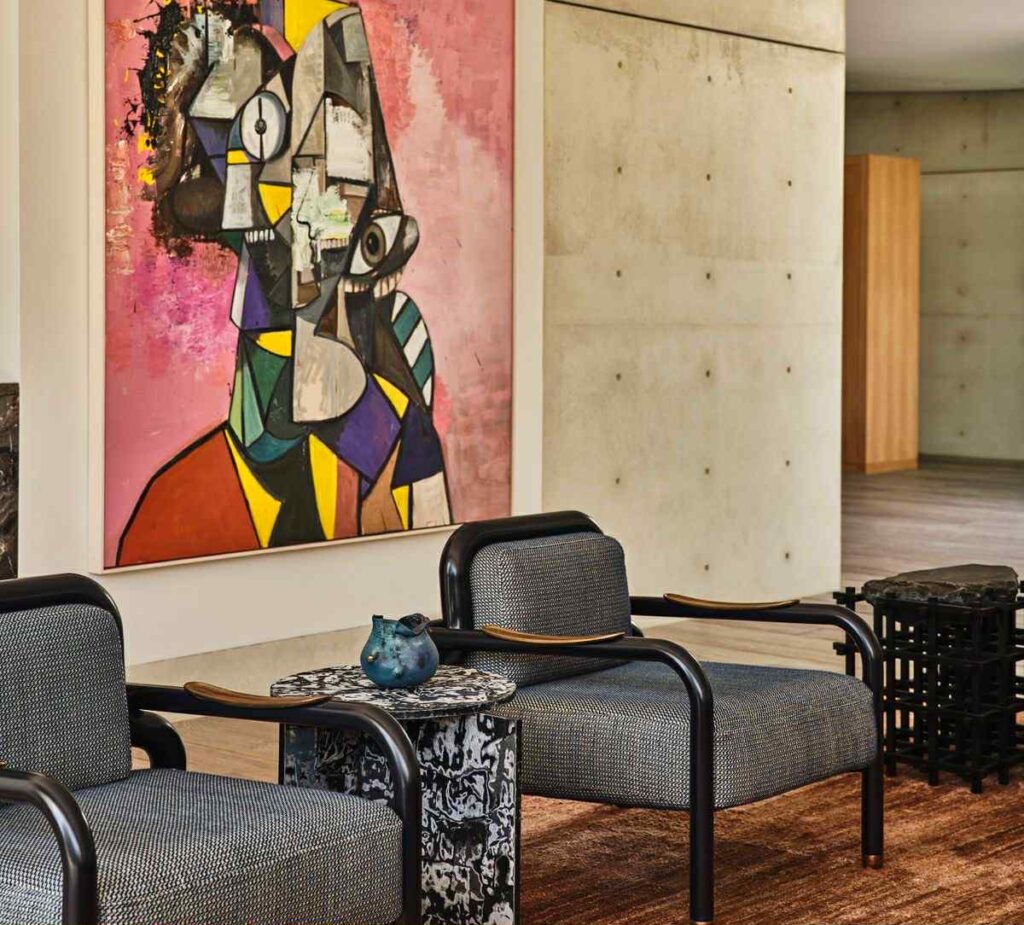
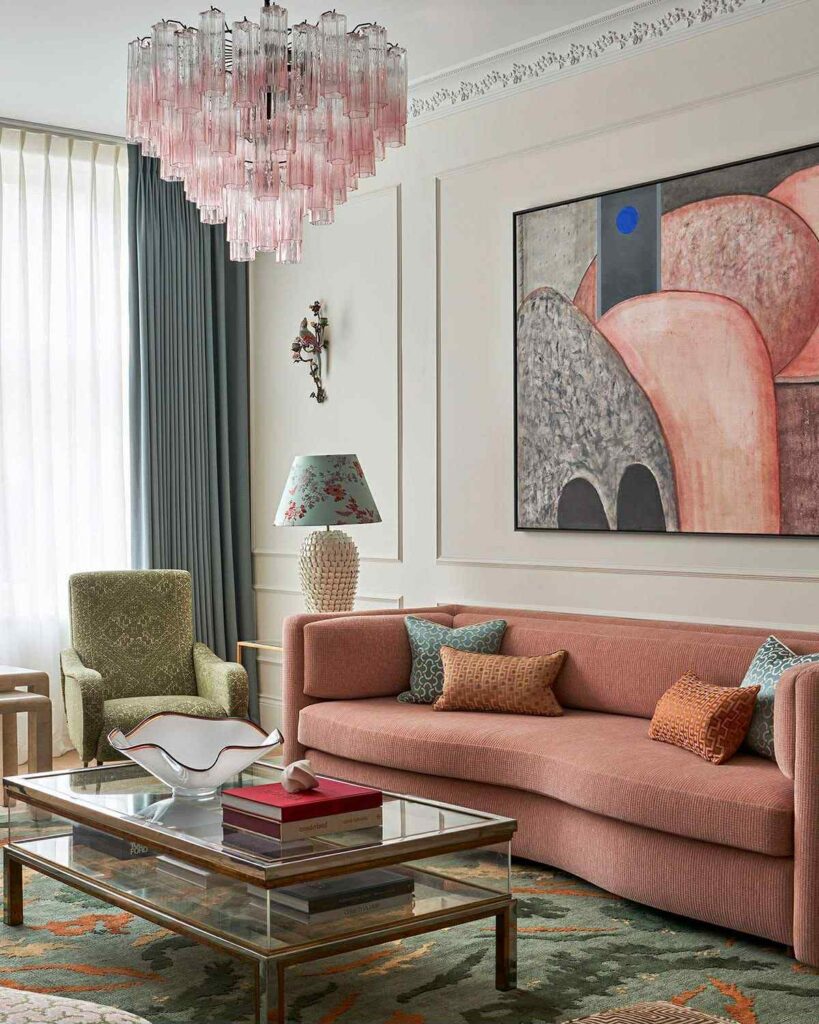
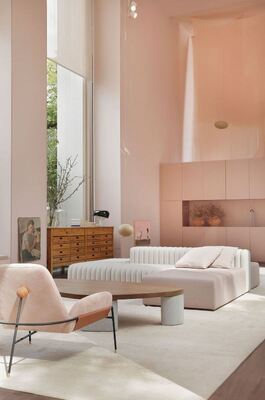
White is the symbol of purity and cleanliness. It visually expands the space and is ideal for smaller rooms.
Where to use it:
Associated emotions: Calmness, purity, freedom, harmony.
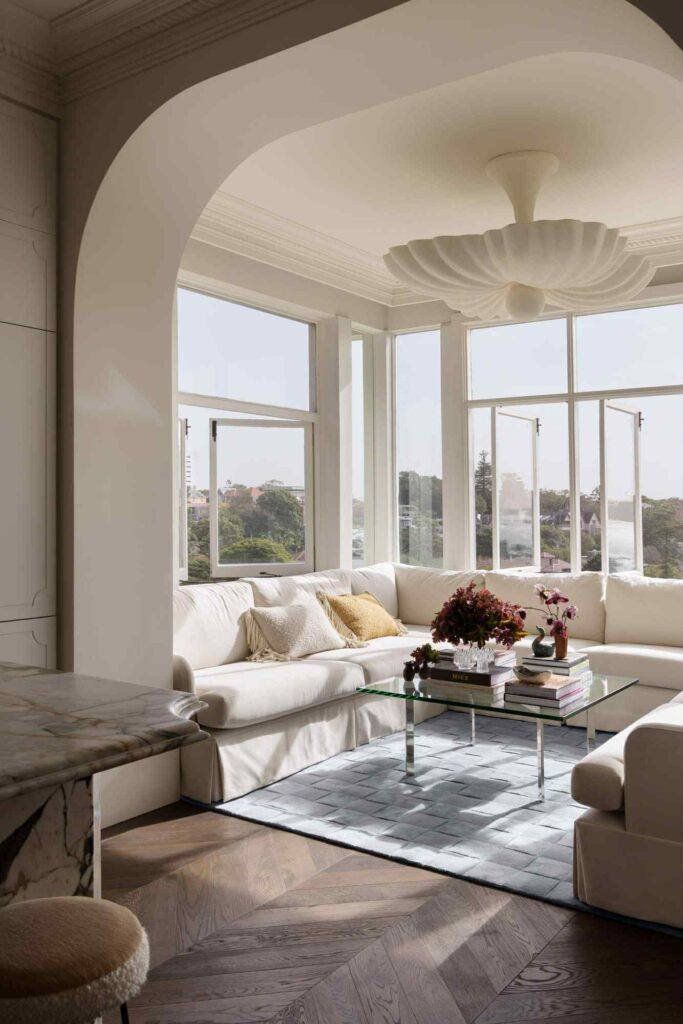
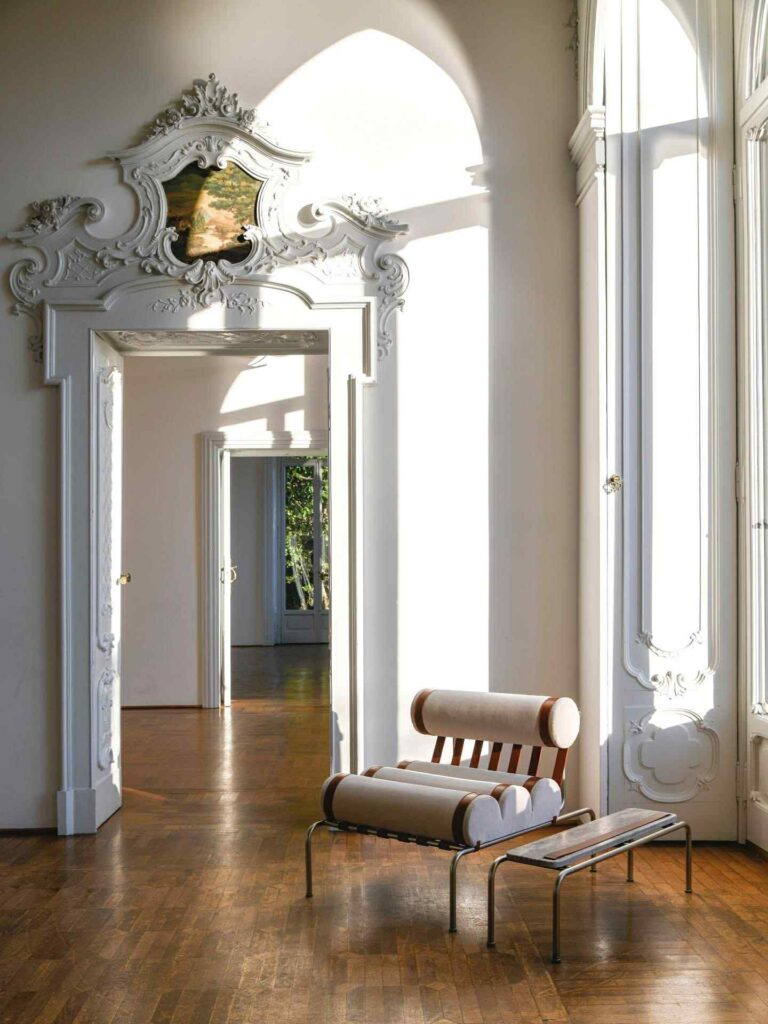
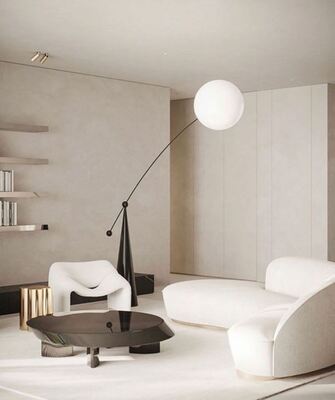
Gray is a neutral and elegant color. It works well both on its own and in combination with other colors. However, if used excessively, it can feel a bit depressing.
Where to use it:
Associated emotions: Style, elegance, simplicity, but also sadness and severity.
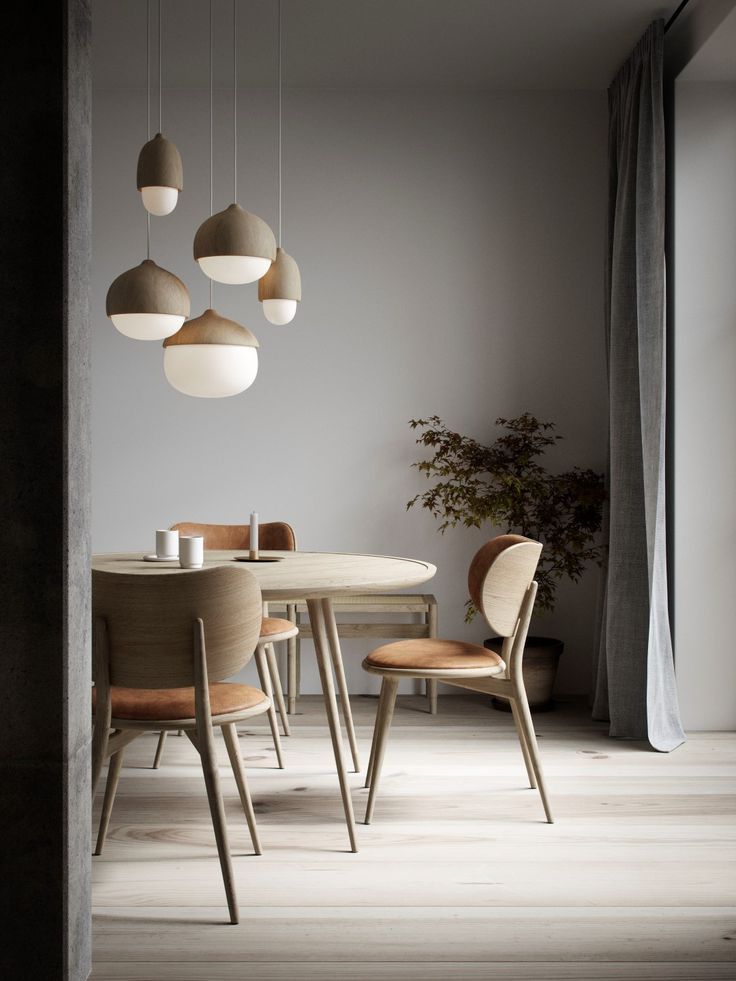
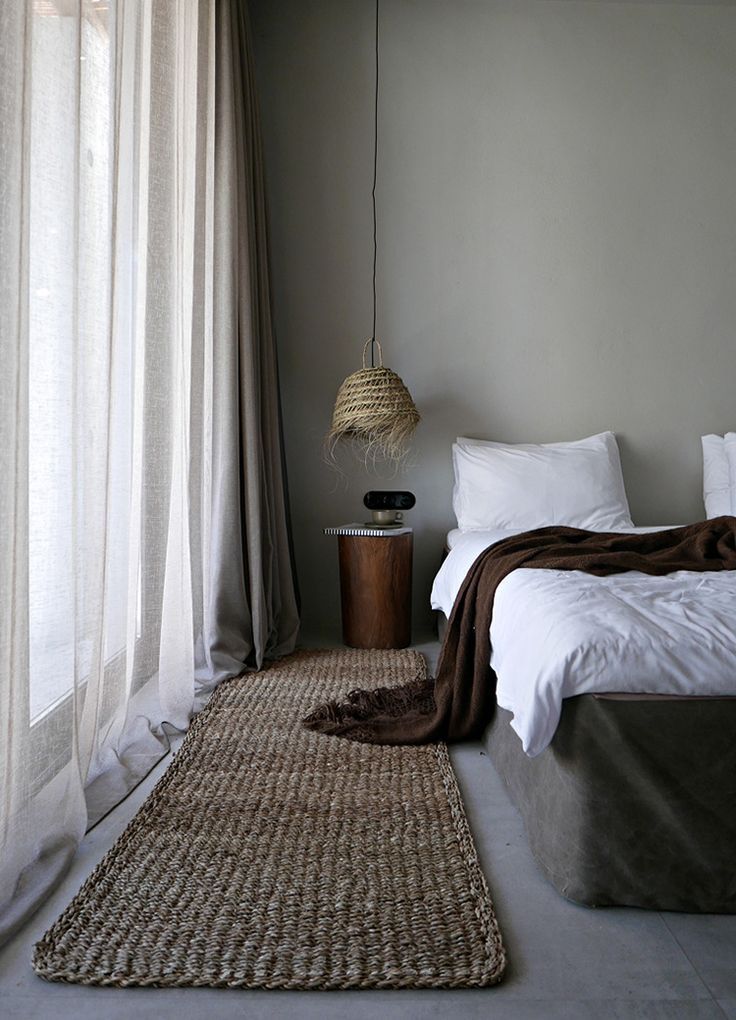
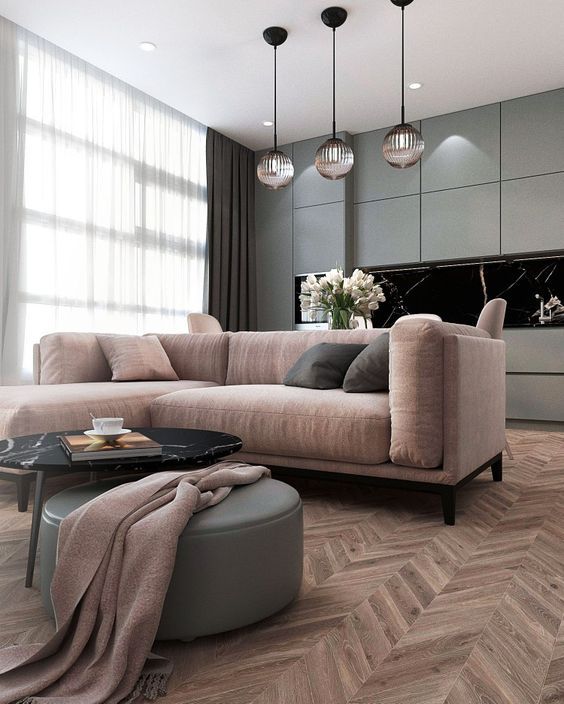
By correctly combining colors, it is possible to create an interior that is not only aesthetically pleasing but also improves our emotional state.